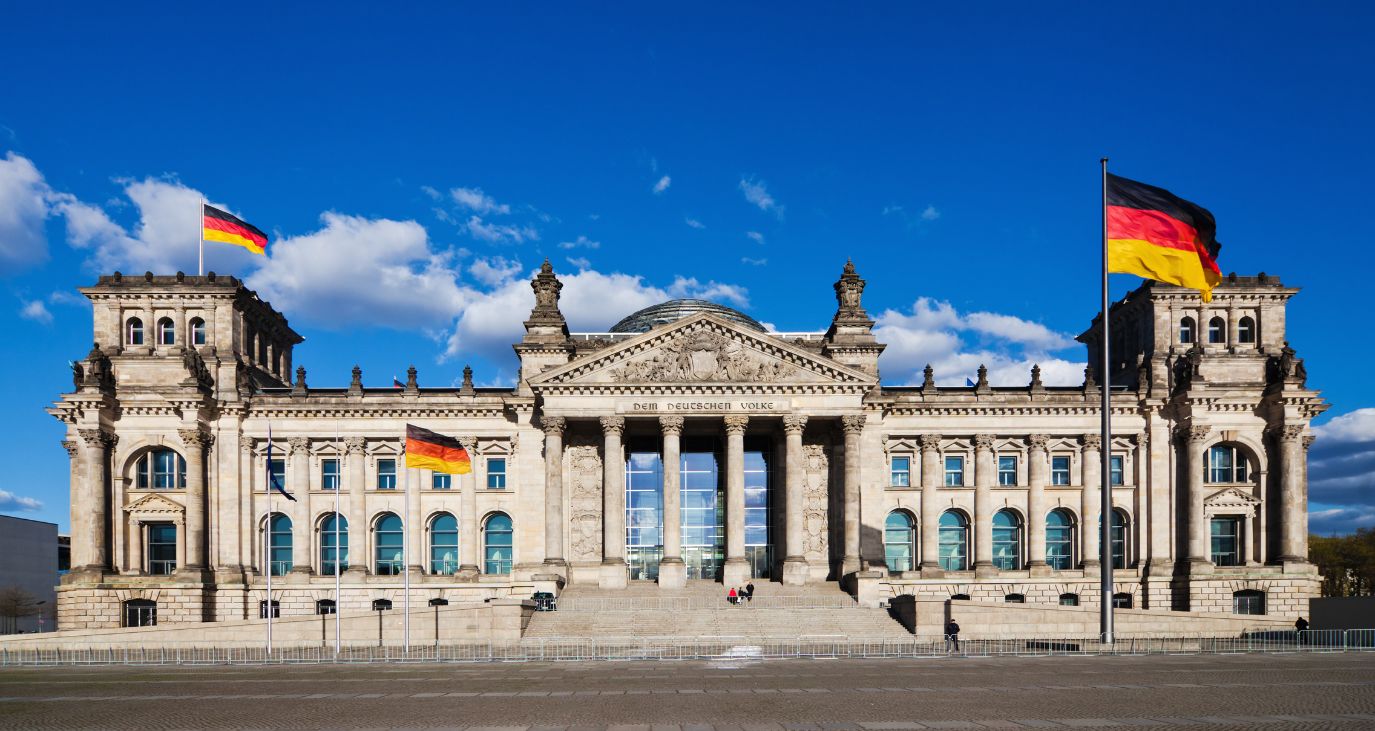
EDUCATION SYSTEM OVERVIEW
Germany is known for its world-class education system, offering a blend of academic rigor and practical learning. Public universities are highly respected, and many offer low or no tuition fees for international students. The country has a strong focus on research, technology, and innovation.
Types of Degrees
Undergraduate Programs
Bachelor's Degree (BA, BSc, BEng, etc.)
- Duration: 3–4 years.
- Entry: High school diploma or equivalent.
- Popular Fields: Engineering, Business, Arts, and Sciences.
Postgraduate Programs
Master’s Degree (MA, MSc, MEng, etc.):
- Duration: 1–2 years.
- Entry: A relevant bachelor’s degree.
- Available in all fields, with some programs available in English
Doctoral Programs (PhD)
- Duration: 3–4 years
- Focus: Independent research in a chosen field.
- Doctoral programs are research-intensive, often with university-led projects.
Types of Institutions:
Public Universities:
Funded by the government, offering high-quality education at low cost.
Private Universities:
Offer specialized programs, often in English.
Applied Sciences Universities:
Focus on practical and industry-oriented education.
Popular Fields of Study:
Engineering, Computer Science, Business, Medicine, Arts, and Humanities.
Key Features
Low or No Tuition Fees:
Many public universities charge very low or no tuition fees for international students.
High-Quality Education:
Known for engineering, business, and research excellence.
Post-Study Work Opportunities:
Graduates can stay for up to 18 months to find a job related to their degree.
English-Taught Programs:
Numerous programs are available in English, especially at the postgraduate level.
Accommodation Costs (Monthly)
| Rank | University Name | Location | QS World Rank |
|---|---|---|---|
| 1 | Ludwig Maximilian University of Munich (LMU) | Munich | 64 |
| 2 | Technical University of Munich (TUM) | Munich | 50 |
| 3 | Heidelberg University | Heidelberg | 66 |
| 4 | University of Mannheim | Mannheim | 210 |
| 5 | University of Freiburg | Freiburg | 123 |
Germany Student Visa (National Visa) – Process & Requirements
The F-1 visa is a non-immigrant visa for international students who wish to pursue full-time academic studies in the Germany.
Basic Eligibility Requirements
University Acceptance Letter (Zulassungsbescheid):
Required for visa application.
Proof of Financial Means:
Minimum of €10,332 for one year (proof via blocked account).
English or German Proficiency:
Proof of language proficiency (IELTS, TOEFL for English programs).
Valid Passport:
Must be valid for at least 6 months
Required Documents
- Valid passport
- University acceptance letter
- Proof of financial means (blocked account).
- Proof of health insurance.
- Proof of language proficiency.
- Visa application form
Visa Application Process
- Receive an offer from a German university.
- Open a blocked account to show proof of financial means.
- Apply online via the German Consulate website.
- Attend biometric appointment and submit documents.
- Wait for visa decision (6–8 weeks).
Cost of living & accommodation
Accommodation Costs (Monthly)
| Types of Housing | Estimated Cost (USD/ Month) |
|---|---|
| University dorms | €200 – €400 |
| Shared apartment | €300 – €700 |
| Private apartment | €700 – €1,200 |
Monthly Living Expenses
| Category | Category Estimated Cost |
|---|---|
| Food & Groceries | €150 – €250 |
| Transport | €80 – €100 |
| Mobile & Internet | €30 – €50 |
| Study Materials | €30 – €60 |
| Entertainment | €50 – €100 |
Total Monthly Estimate
- €700 – €1,200 (depending on the city)